

Customer Success Story: How KIMS Hospital Built Scalable NHS and Private Patient Pathways with Compucare®
KIMS Hospital at a Glance

Organisation Type: Independent Private Hospital and NHS Private Patient Provider
Location: Maidstone, Kent
Employees: 500+
Clinicians: 330+
Sites: 4
Beds: 99
Annual Outpatients: 127,400+
Annual Inpatient & Day Cases: 8,500+
Key Specialities: Orthopaedics, Cardiology, Gynaecology, Breast Surgery, General Surgery
Key outcomes
- Supported care delivery for 127,400+ outpatient appointments annually
- Helped manage 8,500+ inpatient and day-case patients each year
- Enabled more than 500 staff and 330 clinicians across four locations
- Automated NHS referral workflows through two-way eRS integration
- Reduced administrative workload and delivered cost savings through automated referral registration and document handling
- Supported growth from a handful of NHS referrals at launch to more than 1,000 referrals per month
Supporting Complex NHS and Private Patient Pathways at Scale
As the largest independent private hospital in Kent, KIMS Hospital provides care for privately insured, self-pay and NHS patients across a broad range of specialties,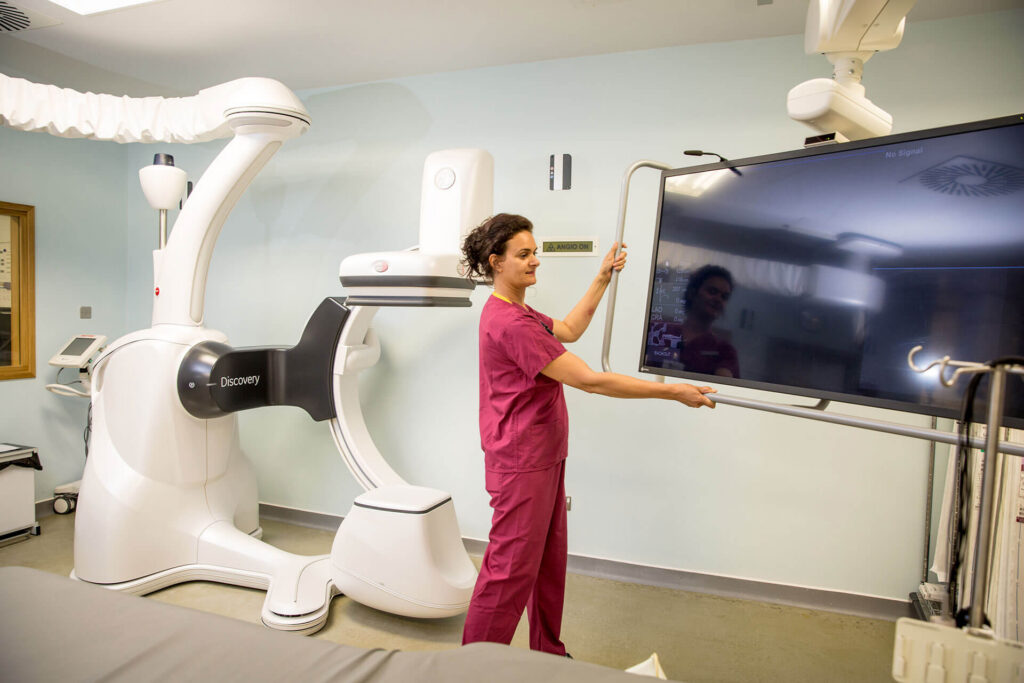 including orthopaedics, cardiology, gynaecology, breast surgery and general surgery.
Opened in 2014, KIMS Hospital was built in Kent, for the people of Kent. It was the first private hospital in the county to perform open-heart surgery and remains the only private tertiary care facility in Kent with a dedicated interventional cardiology suite and catheter laboratories.
Since opening, KIMS has grown significantly. Today, more than 500 staff and 330 clinicians support approximately 127,400 outpatient appointments and more than 8,500 inpatient and day-case patients annually across four locations.
Managing this level of activity requires more than clinical excellence. It demands a Hospital Management System capable of supporting complex patient pathways, NHS referral management, operational planning and private patient administration within a single platform.
For more than a decade, KIMS Hospital has partnered with Streets Heaver, using Compucare®, its specialist Hospital Management System and Electronic Patient Record (EPR), to support referral management, patient administration, operational efficiency and organisational growth.
Balancing NHS Demand with Private Patient Capacity
Managing both NHS and private patient activity requires healthcare organisations to balance very different operational demands.
NHS services require structured referral management, pathway tracking and performance reporting, while private patients expect rapid access, flexibility and convenience. Although the quality of care remains the same, NHS patients are typically offered available surgery dates, while private patients often expect greater flexibility and choice. Balancing these competing demands while maintaining capacity and short waiting times requires systems capable of supporting both pathways while providing clear operational oversight.
As Carolyn Chapman, Head of NHS Partnerships at KIMS Hospital, explains:
“Balancing capacity between assured NHS cases vs potential private cases is sometimes a challenge – should you fill your earliest clinics and lists with the guaranteed NHS work, at the risk of leaving no capacity for short notice private work.”
KIMS needed a platform capable of supporting both pathways while maintaining consistency, efficiency and control across the patient journey.
Building an End-to-End NHS Referral Pathway with eRS Integration
A major milestone came in 2015 when KIMS launched its NHS referral service using Compucare’s integration with the NHS e-Referral Service (eRS).
Working alongside the Streets Heaver team, Carolyn helped design and configure the workflows required to support the new service.
“I joined KIMS in May 2015 to introduce the NHS work here. I hadn’t used Compucare before, so worked with Streets Heaver’s Senior Implementation Consultant James Powell to configure the system with the correct mapping, outcomes etc. I knew what I needed to get out of the system and was glad of James’ support on how to make that happen.”
One of Carolyn’s first priorities was designing the operational framework that would support NHS services at KIMS.
Working closely with teams across the organisation, she mapped every stage of the patient journey, defining responsibilities, processes and hand-offs to ensure referrals could move efficiently through the pathway.
“One of the first tasks I did when coming to KIMS was to map the processes against the roles of staff. I produced many maps, detailing what the task was and who would perform it.”
Once the processes had been defined, Carolyn was able to configure Compucare to support them through forms, tasks, waiting lists and workflow automation.
“I was then able to turn my attention to ‘how’ it would work and was delighted to know that Compucare had many of the ‘how’ answers. I was able to embed tasks, forms, lists etc into the system.”
The result was a structured, end-to-end pathway that gave teams control at every stage of a patient’s journey.
“From registration/first booking through diagnostics, follow ups, preassessment, surgery, follow up and physiotherapy I could track every step of the way for every patient.”
Automation has also helped improve consistency and reduce the risk of errors.
“The more the system is automated, the fewer errors will be made.”
By embedding logic directly into workflows and outcomes, teams are guided through the correct processes while maintaining accountability across the pathway.
“I’m a believer in educating, training and coaching colleagues to understand the bigger picture.”
For Carolyn, one capability stands above all others. Having led the launch of NHS referral services at KIMS, she credits Compucare’s integration with the NHS e-Referral Service as a critical enabler of operational efficiency and pathway management.
The success of the project became clear on launch day.
“I can’t tell you how relieved I was to see the very first referral land in Compucare automatically from eRS. This was the first real measure of success!”
Today, two-way eRS integration remains one of the most valuable aspects of the system, supporting efficient referral management while significantly reducing manual administration.
Enhancing Patient Experience
For Carolyn, creating robust and repeatable processes has always been a priority. While much of her focus has been on NHS workflows, she has also worked to apply the same principles across private patient services.

“My focus personally has always been on NHS workflows, ensuring that robust processes are in place and automation within Compucare is used wherever possible.”
Over time, KIMS has used outcome tracking, waiting lists and structured workflows to gain better oversight of private patient journeys and proactively manage next steps in care.
“Previously, private patient pathways went largely unmanaged in terms of next steps, with KIMS not really knowing how many private patients only had outpatient services here, with their surgery happening elsewhere.”
By applying more consistent processes across both NHS and private services, KIMS has improved oversight, reduced manual administration and created a more consistent approach to managing patient journeys.
“Having a single process for all patient types has always been desirable, wherever practical and possible.”
Reporting has also played an important role in improving operational oversight and data quality. Using Compucare Reports, KIMS has developed ad hoc and scheduled reports to validate processes, identify exceptions and ensure patients are progressing through the correct pathways.
“Using Compucare Reports, I have been able to write many reports (adhoc and scheduled) to allow for data quality checks and improvements. Because we know what to expect, we can flag anything that doesn’t meet the logic. For example, if a patient is listed for surgery, we can expect to see a surgery date added to the system.”
Having clinical, administrative and financial information within a single platform has also made it easier to investigate issues and gain a complete picture of the patient journey.
“Coding and billing from within the same system has also made it easier to see the bigger picture and to easily investigate any incidents or challenges.”
Reducing Administration Through Workflow Automation and Process Standardisation
One of the biggest advantages KIMS has gained from Compucare is the ability to standardise processes across both NHS and private services while reducing manual administration.
“One of the biggest benefits of Compucare is that it is an ‘end to end’ system. I’ve worked in other organisations where the patient pathway is split across a number of different PAS, making it very difficult to get an overview of the whole pathway.”
Over the years, KIMS has configured workflows, outcome forms, waiting lists and operational processes to improve consistency and support growing patient activity.
For example, outcome forms can automatically trigger different actions depending on referral source, while waiting lists are used not only for surgery scheduling but also as operational worklists.
“Waiting lists are not limited to ‘list for surgery’ here at KIMS – I have configured some to act as worklists, thus removing the need to emails.”
By using waiting lists as operational worklists, teams can manage referrals and tasks within the system rather than relying on email. For example, a new NHS referral awaiting clinical triage can be added to a dedicated worklist, giving immediate visibility to the appropriate team member and helping ensure the next step in the pathway is not missed.
This approach has helped reduce administrative effort and create more consistent processes across patient pathways.
Compucare’s integration with the NHS e-Referral Service has further reduced manual administration by automating referral registration and documentation handling.
“NHS referrals via eRS are registered automatically, leading to far fewer data quality issues. Automatic documentation download from eRS has reduced workload, giving a cost saving against hours worked.”
By removing repetitive administrative tasks and automating key processes, KIMS has been able to reduce workload, improve data quality and ensure patients move through their pathways more efficiently.
Scaling from First Referrals to 1,000+ NHS Referrals per Month
As patient activity has grown, Compucare has continued to support the increasing complexity of KIMS Hospital’s operations.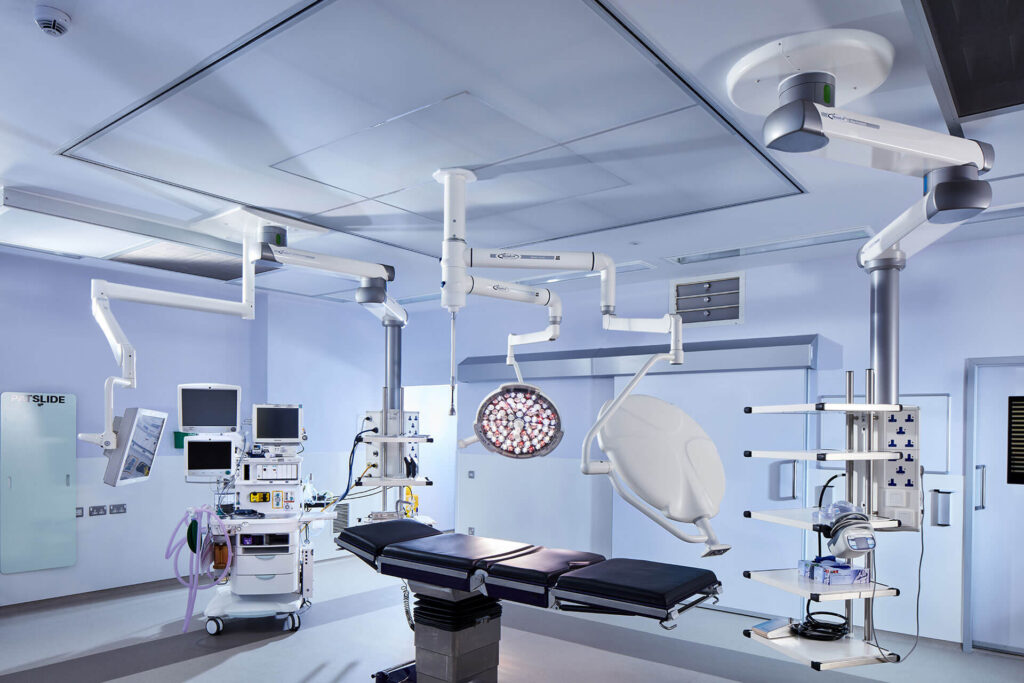
Today, the organisation manages more than 127,400 outpatient appointments and over 8,500 inpatient and day-case episodes annually while maintaining NHS and private patient activity within a single platform.
According to Carolyn, scalability has been one of the system’s greatest strengths.
“Compucare has proved to be scalable and capable of dealing with increase in activity and also increase in complexity of admin.”
The platform has enabled KIMS to expand without the disruption often associated with replacing core patient administration systems.
“Trying to match data from one database to another is a huge undertaking, so I am relieved that we haven’t outgrown Compucare and that it has kept pace with developments.”
As activity has increased, the organisation has also been able to use information captured within the system to support planning and resource utilisation.
By using data captured throughout the patient pathway, KIMS can forecast future demand, identify bottlenecks and take proactive action to maximise resource utilisation.
“We are able to forecast the theatre usage, for example, based on the pipeline in the waiting lists.”
This insight enables teams to intervene earlier and keep patient pathways moving efficiently.
“We can chase for booking forms, to speed up theatre usage when we want to.”
For Carolyn, however, the greatest measure of success is the confidence that the system has continued to deliver as demand has grown.
“I have had total confidence that the system is capable of supporting the NHS workstream, whether that was day one when only a handful of new referrals arrived, through to the peak of over 1000 referrals a month. The system didn’t let me down.”
How Operational Excellence Supports Better Patient Experiences
For KIMS Hospital, operational efficiency is not simply about reducing administrative workload. It also plays an important role in shaping the patient experience.
Having a clear understanding of patient pathways, the ability to communicate quickly, and confidence that processes are being followed correctly all contribute to a smoother journey for patients.
As Carolyn explains:
“If we can get the administration right, patients have trust and confidence that we can also get the clinical care right.”
This connection between operational excellence and patient confidence has been a key driver behind KIMS’ focus on standardised processes and end-to-end pathway management.
A Decade of Collaboration, Continuous Improvement and Shared Expertise
While technology has played a critical role in KIMS’ growth, Carolyn believes the relationship with Streets Heaver has been equally important.
“I have been fortunate enough to meet Streets Heaver’s Founder, Paul Heaver, on a number of occasions, and he has always taken a genuine interest in our journey. Ben Heaver has also always been approachable and accessible whenever I’ve wanted to exchange ideas or share feedback.”
This level of engagement has helped create a relationship that goes beyond a traditional supplier-customer dynamic. By maintaining open dialogue, listening to feedback and encouraging collaboration, the partnership has evolved from implementation support into one built on trust, accessibility and shared expertise.
“I have asked for developments over the years and I’ve also been asked for my opinion and ideas in return. I believe the relationship matured into one of trust and cooperation.”
One particularly memorable example came during KIMS’ migration from Compucare 7 to Compucare 8 in 2019.
“Those of us that led on the upgrade worked brilliantly with Streets Heaver’s Senior Implementation Consultant Simon Gardner, who never wavered in his energy, enthusiasm and support to help us through it.”
The project did more than deliver a technology upgrade. It also highlighted opportunities to improve operational planning and resource management.
As Carolyn recalls, the introduction of clash reporting uncovered scheduling conflicts involving rooms, clinicians and theatres that had previously been difficult to identify.
“At one point, we were all slightly hysterical over the ‘clashes’ reports – room clashes, clinician clashes, theatre clashes.”
While challenging at the time, the increased insight highlighted previously hidden scheduling conflicts and revealed that KIMS lacked a complete view of room, theatre and clinician utilisation across the organisation.
To help teams understand the relationship between scheduling and resource management, Carolyn developed a training concept known internally as the “magic triangle”.
“To ensure you could have a patient in the centre, you need the room, the clinician and the equipment available first.”
Reflecting on her experience with Streets Heaver more broadly, Carolyn says:
“Extremely positive. I’m very impressed by the staff retention and the passion of those that work at Streets Heaver, new and old. I don’t recall a single event that left me disappointed.”
The Result: Scalable Pathways, Greater Efficiency and Sustained Growth
Over more than a decade, Compucare has helped KIMS Hospital support growing NHS and private patient activity while maintaining efficient referral management, operational control and a consistent patient experience. The platform has scaled alongside the organisation, supporting growth from a handful of NHS referrals in 2015 to more than 1,000 referrals per month today.
Reflecting on the partnership, Carolyn summarises it in three words:
“Trusting, respectful, supportive.”
And when asked what she would say to another healthcare organisation considering Compucare, her advice is simple:
“Engage with the team at Streets, they know what they are doing, they are forward thinking and therefore can grow with you.”
KIMS Hospital uses a broad range of Compucare modules to support NHS and private patient pathways, including:
- Electronic Patient Record (EPR)
- Outpatients
- NHS e-Referral Service (eRS)
- Inpatients
- Bed Management
- Theatres
- Order Communications
- Pharmacy
- Billing & Invoicing
- Contract Management
- Patient Ledger
- Provider Ledger
- Electronic Data Interchange (EDI)
- Credit Card Module
- Compucare Reports
- PHIN Reporting
Find out more about Compucare: Book a demo