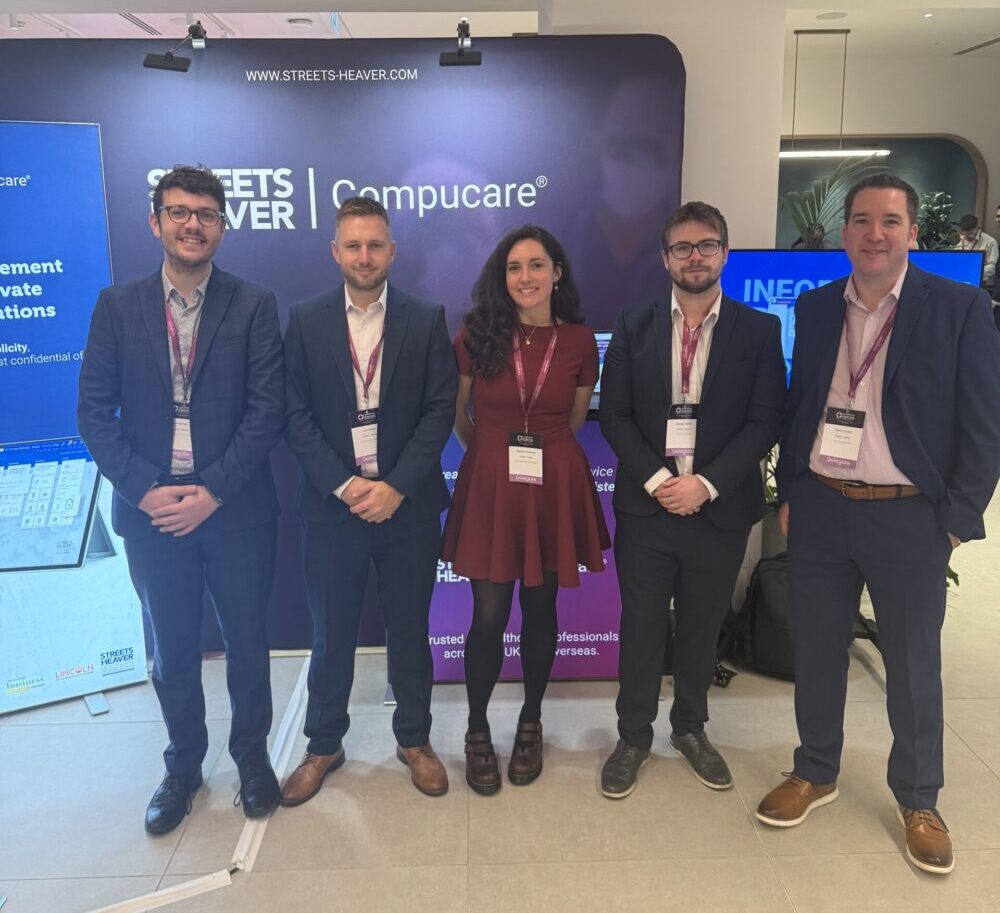
Streets Heaver at LaingBuisson Private Health & Cover Conference 2025: Navigating the Future of UK Healthcare
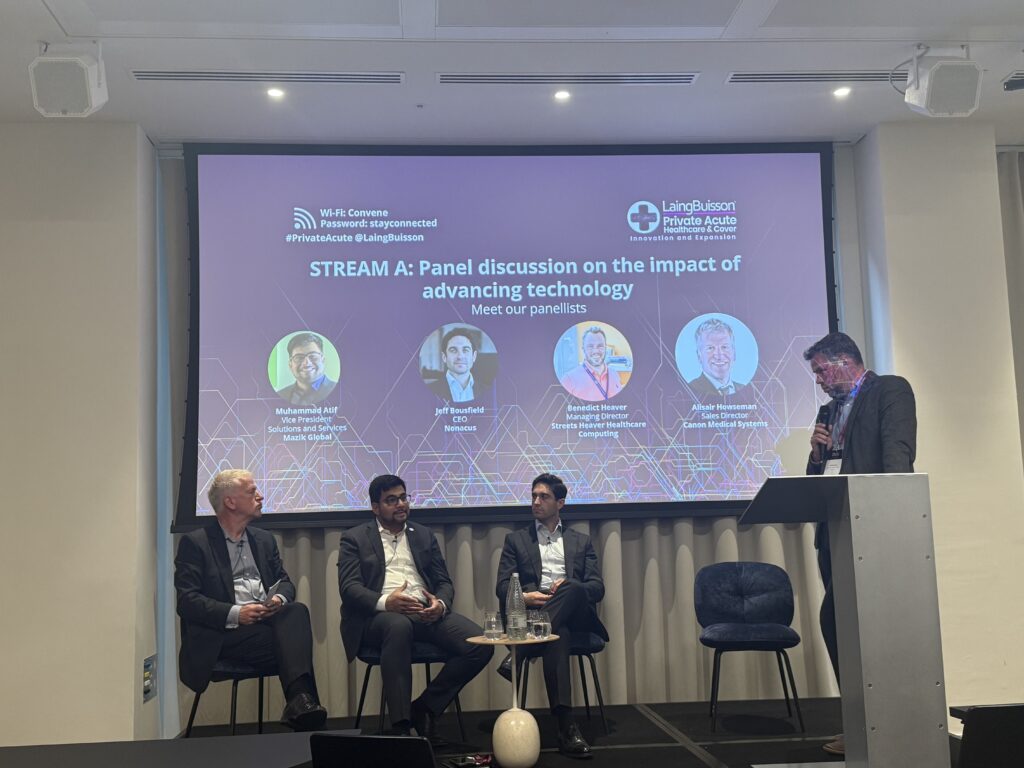
Streets Heaver was proud to be Executive Partner of the LaingBuisson Private Health & Cover Conference 2025, where industry leaders, innovators, and healthcare providers gathered to explore the evolving landscape of private healthcare in the UK. The conference spotlighted the challenges and opportunities facing the sector, with a strong focus on consumer behaviour, NHS pressures, and the role of technology in shaping future care delivery.
Shifting Sentiments, NHS vs Private Healthcare

The conference revealed a nation divided, 50/50, on satisfaction with NHS-funded services. While the NHS continues to deliver record levels of activity, slow progress on key targets like the 18-week waiting list (now off track for the March 2026 goal), and widespread spending and recruitment freezes, have led many to look elsewhere.
Private healthcare is seeing a surge in interest:
- 7 in 10 people would now consider private healthcare,
- 88% of users say it’s worth the investment,
- 49% of 35–44-year-olds expect to use private services in the next 12 months,
- Millennials are increasingly opting for private care, driving growth in the sector.
“The NHS faces a capital problem, a people problem, and a technology problem. We must work around these constraints to deliver better care.”
Economic Pressures and Public Finance
The biggest challenge cited by attendees was the state of public finance, with 58% identifying tight fiscal policy as a major concern. The recent £30 billion budget tax rise has only intensified scrutiny on how healthcare is funded and delivered.
PMI Market Insights, Growth and Demographics
According to Healthcode, the Private Medical Insurance (PMI) market has seen double-digit growth since the pandemic:
- Over £5.5 billion has been billed to PMIs to date,
- 84% of hospital activity is outpatient admitted, with average invoice values rising to £3,394,
- The highest volume of admissions remains in London and the South East, though London has seen a slight 1% decline,
- Notably, 30–39-year-old patients are increasing year-on-year, while the 65+ age group has declined by 6% over the past five years.
Private Acute Market, Expanding Horizons
The private acute market is now valued at over £13.5 billion, with NHS PPUs showing strong growth despite being the smallest segment at £852 million. Key trends include:
- A rise in ophthalmology sites, with revenue nearing £600 million,
- Cosmetic and aesthetic clinics dominate in England (600 sites), while sexual health clinics remain the lowest (around 30),
- PMI growth has exceeded 10% over the past five years.
Workplace Health and Employer Responsibility
Insights from Spire Healthcare and Vita Health highlighted the importance of employer-supported health initiatives:
- Only 38% of surveyed employees believe employers should support physical health,
- However, 80% believe mental health support is essential,
- Impressively, 97% of employees return to work after mental health support, and 95% after physiotherapy.
Technology, Data, and the Future of Care
Speakers addressed the NHS’s struggle with workforce productivity and technological change. Also covering what changes in technology we should expect within the future of Healthcare, along with integrating it with what we already have. The consensus? Innovation is essential, but must be harnessed wisely.
“AI is coming, and I believe we’re just a few years away from seeing it transform radiology. We need to maximise what we already have before chasing new R&D.”
Streets Heaver’s Role in Driving Healthcare Innovation
Here at Streets Heaver, we continue to play a vital role in supporting the digital transformation of UK healthcare. By delivering robust, scalable, and secure technology solutions, Streets Heaver empowers healthcare organisations to streamline operations, improve patient outcomes, and adapt to the evolving demands of the sector.
From integrating data across systems to enabling predictive modelling and analytics, Streets Heaver helps providers harness the power of technology to make informed decisions and deliver better care. Their commitment to innovation and collaboration ensures that healthcare organisations are not only prepared for the future but are also actively shaping it.
“Automation is an important technology in healthcare. It frees up humans to do what they’re best at, by removing the mundane tasks and allowing them to focus on the patient.”
— Benedict Heaver, Managing Director, Streets Heaver
Insights from Healthcare Giants

We also heard from several leading voices in the healthcare sector, including Dr Ravi Lukha (Managing Director, Bupa), Tim Williams (Co-Founder & CEO, My Clinical Outcomes), Dr Robert Lorenz MD (President, Cleveland Clinic London), and Dr Suba M (Medical & Sustainability Director, Aviva Health), who shared their perspectives on the current state of healthcare and the direction it’s heading.
Transparency and Predictive Modelling
Organisations like PHIN are working to improve transparency, with efforts underway to implement the CMA Private Healthcare Order by June 2026. Predictive modelling is also being used to forecast healthcare trends over the next five years, helping providers and patients make informed decisions.
Final Thoughts
The conference made it clear, the UK healthcare landscape is undergoing a transformation. With rising demand for private services, technological innovation, and shifting public sentiment, providers must stay agile and responsive. Streets Heaver remains committed to supporting this evolution, empowering healthcare organisations with the tools and insights they need to thrive.